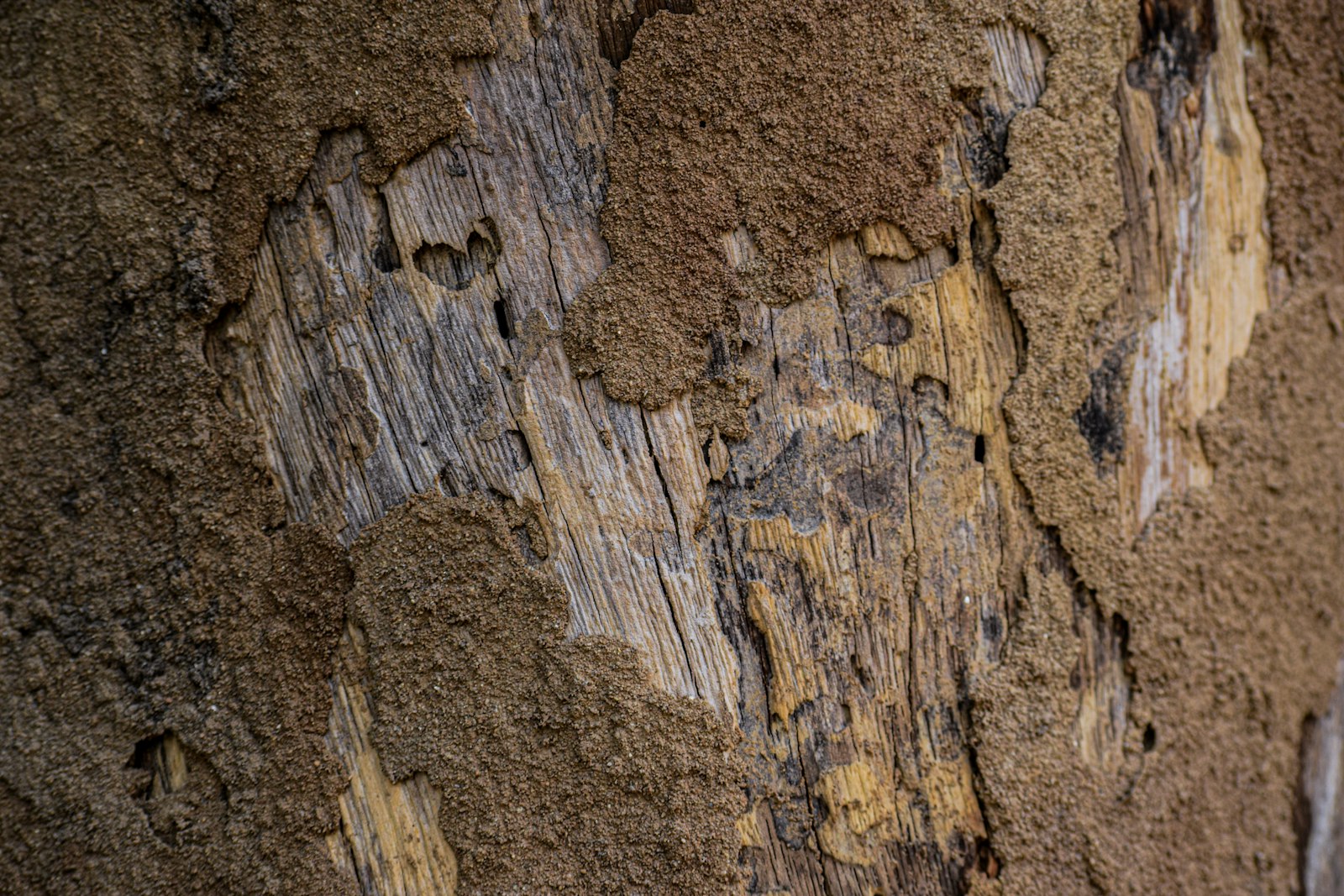
Termites are often called “silent destroyers” for a good reason. They live hidden inside walls, floors, and the soil around your home, feeding on wood quietly and steadily. Many homeowners only discover an infestation when a door frame crumbles or a floorboard gives way, and by then the repair bill can be significant. The good news is that termites do leave clues. Knowing what to look for lets you catch a problem early, when it is far cheaper and easier to treat.
1. Mud tubes on walls and foundations
Subterranean termites, the most destructive type in many parts of the world, need moisture to survive. To travel between their underground colony and the wood they feed on, they build narrow tunnels made of soil, saliva, and droppings. These mud tubes are usually about the width of a pencil.
- Check exterior foundation walls, the base of pillars, crawl spaces, and the area under staircases.
- Look along skirting boards, behind cabinets, and inside cupboards that touch exterior walls.
- Break off a small section of tube. If it is rebuilt within a few days, or you see small pale insects inside, the colony is active.
2. Discarded wings near windows and doors
When a termite colony matures, it sends out winged reproductives, often called swarmers or alates, to start new colonies. After they land, they shed their wings. Small piles of identical, translucent wings on windowsills, near doors, or caught in spider webs are one of the clearest signs that a colony is living in or near your home.
3. Swarms of flying insects indoors
Swarms usually appear after rain in warm, humid weather, and are often drawn to lights in the evening. Many people mistake them for flying ants. A quick way to tell them apart:
- Waist: termites have a thick, straight waist; ants have a narrow, pinched waist.
- Antennae: termite antennae are straight; ant antennae are bent or elbowed.
- Wings: termites have two pairs of wings of equal length; flying ants have front wings that are longer than the back pair.
A swarm inside the house strongly suggests the colony is already in the structure, not just in the garden.
4. Hollow-sounding or damaged wood
Termites eat wood from the inside out, often leaving only a thin outer shell or a layer of paint. Tap on door frames, skirting boards, window frames, and wooden beams with the handle of a screwdriver. Wood that sounds hollow or papery, or that your screwdriver pushes into easily, may have been hollowed out. When opened, termite-damaged wood often shows honeycomb-like galleries packed with soil.
5. Frass (termite droppings)
Drywood termites, which live entirely inside the wood they eat, push their droppings out through tiny holes. This frass looks like small, hard pellets, similar to fine sand, sawdust, or coffee grounds, and is usually the same color as the wood. Little mounds of it under furniture, window ledges, or ceiling beams are worth investigating.
6. Doors and windows that suddenly stick
As termites tunnel through frames, the moisture they bring in can make wood swell and warp. If doors or windows that used to open smoothly start to stick or jam, termites are one possible cause. Humidity can do the same thing, so look for this sign together with others on this list.
7. Bubbling or peeling paint
Paint that bubbles, blisters, or peels can be a sign of moisture trapped behind it. Termite activity inside a wall can create exactly that moisture. Uneven or bubbling paint, especially near the floor or around frames, deserves a closer look.
8. Sagging floors, ceilings, or tiles
Floors that feel spongy or bouncy, laminate that blisters, or tiles that loosen and lift can all point to termites feeding on the subfloor or joists below. Ceilings that sag or show cracks along timber beams may indicate damage in the roof structure. These signs usually mean an infestation has been present for some time.
9. Pinholes and tunnels in drywall or wallpaper
Termites also eat the paper facing on drywall and wallpaper. Look for tiny pinholes, faint winding lines just below the surface, or patches that feel soft when pressed. Sometimes the termites seal small exit holes with mud, leaving little brown spots on the wall.
10. Quiet clicking sounds inside walls
Soldier termites bang their heads against wood to warn the colony of danger, and worker termites can be heard chewing. In a quiet room, you might hear faint clicking or rustling coming from inside a wall or wooden structure. It is a subtle sign, but a real one.
What attracts termites to a home
Understanding what draws termites in helps you reduce the risk:
- Moisture: leaking pipes, blocked gutters, poor drainage, and damp crawl spaces.
- Wood touching soil: door frames, fence posts, or decking in direct contact with the ground.
- Stored timber and debris: firewood, old furniture, cardboard, or tree stumps stacked near the house.
- Cracks in the foundation: gaps as thin as a credit card are enough for termites to get through.
What to do if you spot the signs
- Don’t disturb the area. Spraying household insecticide or breaking open mud tubes can scatter the termites to another part of the house and make the colony harder to find.
- Collect evidence. Take photos, and if possible save a few wings or insects in a sealed bag or jar for identification.
- Book a professional inspection. A licensed pest control technician can confirm the species, find the extent of the colony, and recommend a treatment such as baiting systems, soil treatment, or targeted wood treatment.
- Fix the conditions. Repair leaks, improve drainage, and move wood away from the walls so the problem doesn’t return after treatment.
Not sure who to call? Our guide on how to select a qualified pest control company explains what to check before you hire.
A quick termite self-check
- Walk around the foundation looking for mud tubes
- Check windowsills and door tracks for discarded wings
- Tap wooden frames and skirting boards for hollow sounds
- Look for small piles of pellet-like frass
- Note any sticking doors, bubbling paint, or sagging floors
- Make sure no wood touches the soil and no leaks go unrepaired
Final thoughts
Termite damage is rarely sudden. It builds up over months or years, which means early detection makes all the difference. A few minutes spent checking your home every season, combined with a professional inspection once a year in termite-prone areas, can protect what is likely your most valuable investment. If you notice any of the signs above, act quickly and get an expert opinion before the damage spreads.
Featured image: Photo by Saifee Art on Unsplash.
Leave a Reply