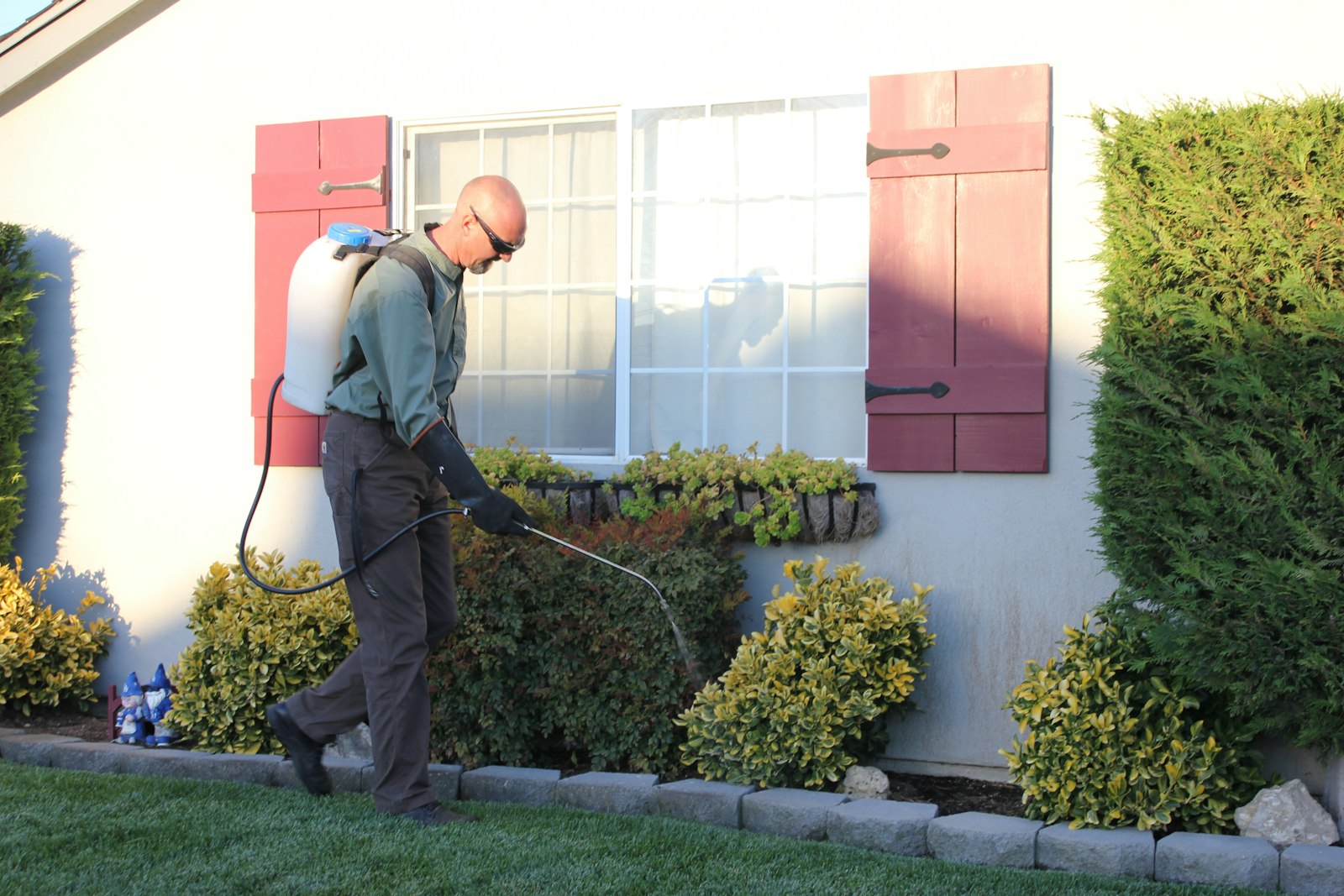
Finding ants in the kitchen, droppings in the garage, or termite damage in a door frame is stressful. The natural reaction is to call the first pest control company that shows up in a search. But the company you choose affects more than whether the pests go away. It affects the safety of your family and pets, the condition of your property, and how much you end up paying over time. This guide walks you through what to look for, what to ask, and which warning signs should send you elsewhere.
1. Confirm the company is licensed
In most regions, anyone who applies pesticides commercially must hold a license or certification issued by a government agency, such as a state department of agriculture or an environmental authority. Licensing shows that technicians have been trained in safe handling, correct dosages, and local regulations.
- Ask for the company’s license number and verify it with the issuing agency, most of which have an online lookup.
- Check that the individual technicians who will visit your home are licensed or work under a licensed applicator, not just the business owner.
- Make sure the license covers the type of work you need. Some regions issue separate categories for general household pests, termites and wood-destroying organisms, and fumigation.
2. Check insurance coverage
Even careful professionals have accidents. A reputable company carries general liability insurance to cover damage to your property and workers’ compensation insurance for its staff. Ask for a certificate of insurance before any work begins. If a company is reluctant to provide one, treat that as a serious red flag.
3. Look at experience and specialization
Bed bugs, termites, rodents, and cockroaches each require different knowledge and tools. A company that has handled your specific pest many times will diagnose the problem faster and treat it more effectively.
- How long has the company been operating in your area?
- How often does it treat the pest you are dealing with?
- Is it a member of a professional association, such as a national or regional pest management association? Membership often means access to ongoing training and a code of ethics.
4. Ask about Integrated Pest Management (IPM)
The best modern providers follow Integrated Pest Management, an approach that focuses on finding out why pests are there and preventing them from returning, rather than simply spraying chemicals on a schedule. An IPM-minded company will:
- Inspect thoroughly to identify the pest, the source, and the entry points.
- Recommend fixes such as sealing gaps, removing food and water sources, and reducing clutter.
- Use targeted, lower-risk treatments first, such as baits, traps, and spot applications.
- Monitor results and adjust the plan based on what they find.
5. Expect a proper inspection before a price
A qualified company will want to see the problem before quoting a firm price. Be cautious of anyone who offers a fixed price over the phone for a complex problem such as termites or a heavy infestation. During the inspection, the technician should explain what they found, show you evidence, and describe the treatment options in plain language.
6. Ask about the products they use and safety precautions
You have a right to know what is being applied in your home. A trustworthy provider will gladly name the products, share their safety data sheets or labels, and tell you what precautions to take.
- Are the products registered for use by the relevant regulatory agency?
- Do you need to leave the house, and for how long?
- What steps should you take to protect children, pets, fish tanks, and food preparation areas?
- Are lower-toxicity or non-chemical options available for your situation?
7. Read reviews and ask for references
Online reviews give you a sense of how a company treats customers over time. Look for patterns rather than single complaints: punctuality, communication, whether the problem was actually solved, and how the company responded when something went wrong. Checking your local consumer protection office or business bureau for unresolved complaints is also worthwhile. For larger jobs, ask the company for references from recent customers with a similar problem.
8. Get the plan, price, and guarantee in writing
Before you sign, ask for a written proposal that clearly states:
- The pests being treated and the areas covered.
- The treatment methods and products to be used.
- The number of visits and the total cost, including any follow-up visits.
- The guarantee: what happens if the pests come back, and for how long the guarantee lasts.
- Contract length, renewal terms, and how to cancel.
Getting quotes from two or three companies lets you compare not just price but the quality of the inspection and the thoroughness of the plan. The cheapest option is not always the best value if it means repeat treatments later.
Red flags to watch for
- High-pressure sales tactics, such as “this price is only good today.”
- Door-to-door offers claiming they “just treated your neighbor’s house” and have leftover product.
- Scare tactics that exaggerate the damage without showing you evidence.
- No license number, no proof of insurance, or no physical business address.
- Refusal to name the products they use or provide anything in writing.
- Demands for full payment in cash before any work is done.
A quick checklist before you hire
- License verified with the issuing agency
- Certificate of insurance received
- Experience with your specific pest
- On-site inspection completed and findings explained
- Products and safety precautions disclosed
- Positive reviews and references checked
- Written plan, price, and guarantee in hand
Final thoughts
A qualified pest control company does more than eliminate the pests you can see. It finds the root cause, protects your household while it works, and helps you keep pests from coming back. Taking an extra day to verify credentials and compare a few proposals is a small investment that can save you money, stress, and repeat infestations in the long run.
Leave a Reply